



3D animation model of parthenogenetic
Parthenoptera is a large wingless species that lives in katydids in Eurasia and belongs to the family Orthoptera. The body is slender, with a body length of about 55 to 75mm, and is emerald green or iron cyan. Known for its strong predatory ability, it is specialized in the front and middle feet with spikes and is used to catch prey. A distinctive feature is its parthenogenetic ability, in which a female individual produces offspring without the need for males. Makes parthenogenetic males of the hydatids extremely rare in the wild. It mainly inhabits open grasslands and bushes and feeds on other insects. Mainly distributed in parts of Xinjiang. Due to its unique reproductive mode and large body size, it is classified as a near-endangered species.
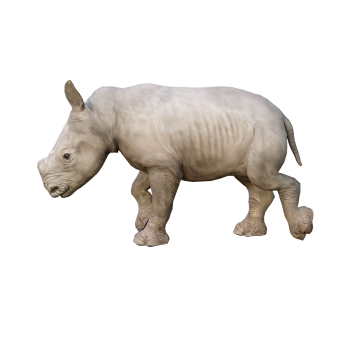
White Rhinoceros (Juvenile) 3D Model Animation
It is a large mammal mainly distributed in Africa. Named after its wide and flat lips, it is often mistakenly referred to as the 'white rhinoceros'. The weight is approximately 1000-3600 kilograms, the average length of the head and body is 3.35-3.77 meters, and the shoulder height is 1.71-2.85 meters. The skin is light gray with plate-like folds, and the teeth are high and flat. Herbivores mainly live in forests, sparse grasslands, and grassy areas near water sources. The lifespan of white rhinoceros in the wild is 46-50 years, and it can reach 30 years under captive conditions. Due to illegal poaching, the white rhinoceros has been listed as a near threatened species on the IUCN Red List of Threatened Species

Parsons Chameleon skull
Parson's chameleon is a relatively large chameleon species that is endemic to the remote moist virgin forests of eastern and northern Madagascar. It is a near threatened species and therefore subject to restrictions on international trade. In terms of size, it is second only to the Madagascar giant chameleon. The Parson chameleon can exceed 2 feet in length and comes in two main colors. Yellow and green. According to gender, the color may vary, so the color of a chameleon may be red, brown, or even blue-green. Some types of these reptiles may have unique orange eyes. It is omnivorous, eating most plants or small animals.

platypus
It is a mammal of the platypus genus in the platypus family. The platypus is named after its snout that resembles a duck's beak. It is a mammal of the platypus genus in the platypus family. The platypus is named after its snout that resembles a duck's beak. It is a mammal of the platypus genus in the platypus family. The platypus is named after its snout that resembles a duck's beak. Mainly foraging underwater, preying on invertebrates such as worms, insect larvae, freshwater shrimp, and crayfish. The platypus holds an important position in Australian culture and often appears in mythological stories, songs, poems, or stamps. At the beginning of the 20th century, humans were still hunting platypus for fur. Except for the extinction of populations in southern Australia, platypus were still common in their distribution areas

Caribbean real shark
The Caribbean true shark is a species of shark belonging to the true shark family and the true shark genus. At birth, the body length is 74 centimeters, and the maximum body length in adulthood is 295 centimeters. A species of tropical nearshore living at the bottom of continental and island shelves. It mainly inhabits shallow water areas, but according to records, its depth reaches at least 30 meters. I mainly eat bony fish. Mainly distributed in the Caribbean Sea. Also known as Caribbean reef shark, it refers to its habitat on coral reefs outside the Caribbean Sea and South America.

Popular Models


Random Model


Galapagos Turtle 3D Animation Model
1226 View

Fire emergency cabinet
1057 View


Samsung Galaxy S24 Dali Lime
769 View


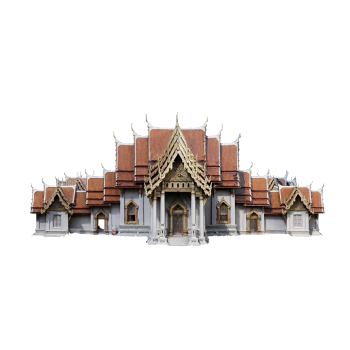
Wat Phra That Prayut, Bangkok, Thailand
1311 View
